
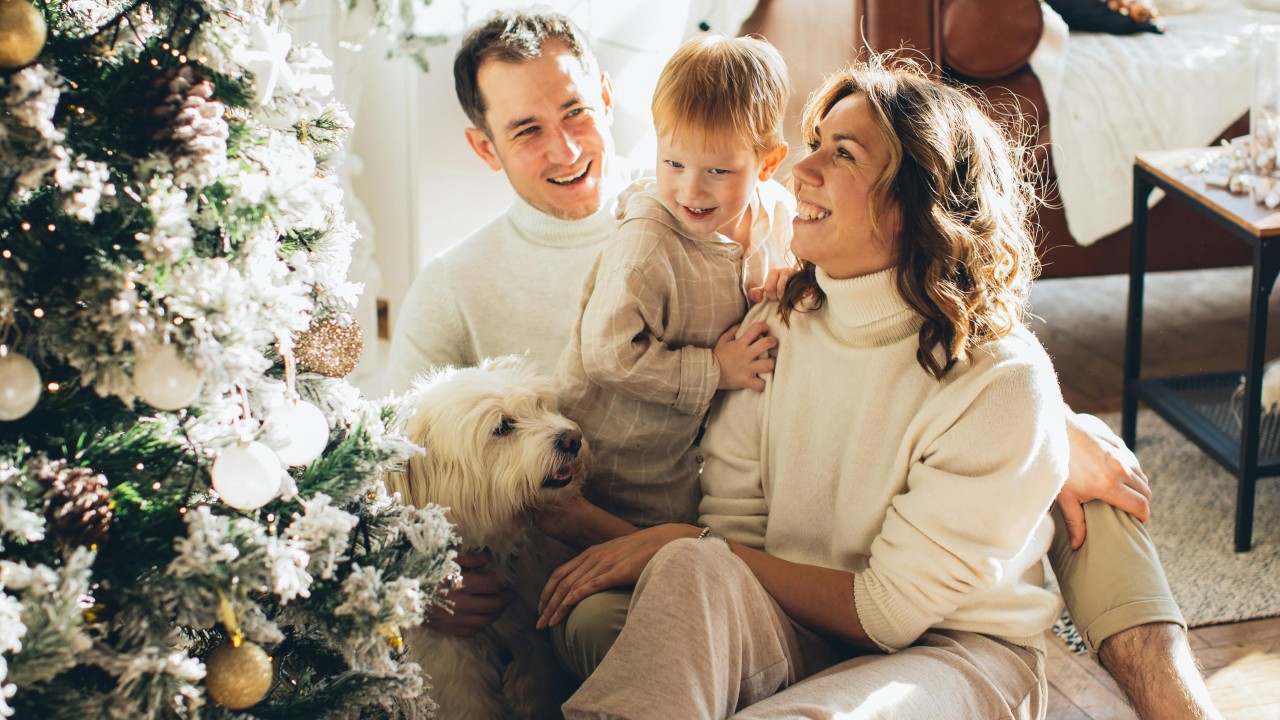
The Silent Season
Domestic violence often intensifies over Christmas, as alcohol, financial stress and increased time at home amplify coercive control, leaving victims and children more isolated and at risk when support services are limited.
November 5, 2025
How Christmas Magnifies the Impact of Domestic and Family Violence
More Time Off — More Time Trapped
Public holidays and workplace shutdowns mean perpetrators are often home more and for victims, this removes one of the few safe spaces they may have; work. That daily escape, the structure, the moments of peace between shifts, all disappear. The person may suddenly be confined with their abuser for days, even weeks, with no reprieve and limited access to support services that also close or reduce hours during this period.
Alcohol and the Celebration Culture
Australia’s holiday culture is steeped in alcohol, it’s seen as the backbone of celebration. But alcohol can act as an accelerant to existing patterns of abuse. It’s not the cause, but it removes inhibition and intensifies control. For survivors, the festive season can mean walking on eggshells as the drinking begins early and often, never knowing when the tone of the day might shift.
The Pressure on Children
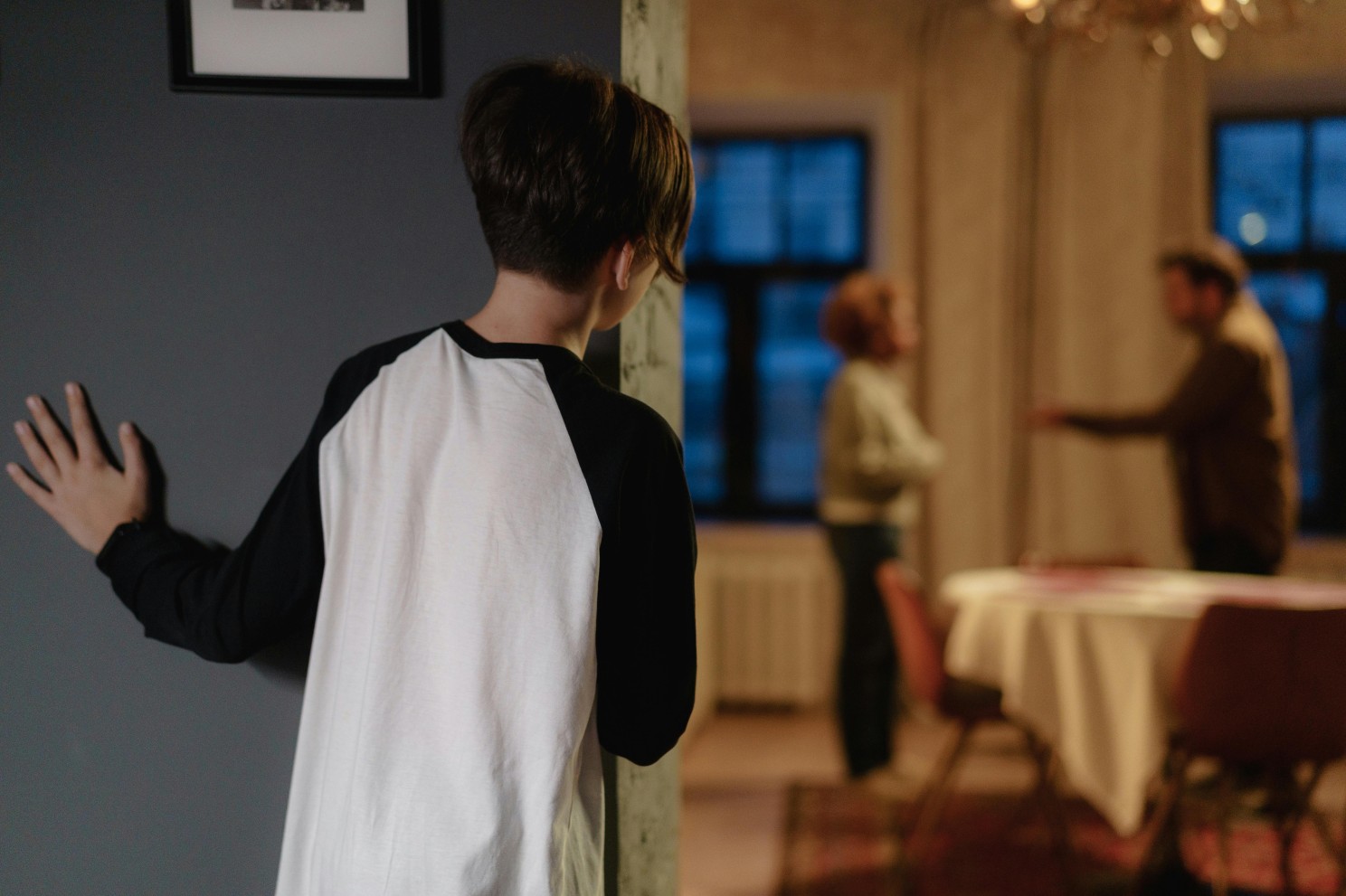
Children in violent or controlling homes are often caught in the crossfire of expectation and fear. The pressure to “keep the peace,” to behave perfectly, to not upset a parent who might be on edge, it’s an unbearable burden for a child. While other children look forward to Santa and gifts, these children are watching the clock, listening for footsteps, or calculating whether today will end in tears or silence.
Coercive Control Intensifies
For those experiencing coercive control, the festive season can amplify manipulation. Control over money becomes tighter, communication with family and friends is restricted, and guilt is weaponised: “You’re ruining Christmas.” “You’re so ungrateful.” “You’re the reason everyone’s miserable.” The abuser uses the idea of “family” and “togetherness” as tools of control, ensuring the victim feels responsible for maintaining the illusion of a happy home.
What We Can Do?
As a community, we need to shift the conversation. The festive season isn’t joyful for everyone, and we must normalise checking in quietly and compassionately with colleagues, friends, and neighbours. Ask: “How are you really doing?” Be aware that some people dread the holidays, not because they’re alone, but because they’re not. If you work in frontline services, keep safety planning front of mind as the year winds down. If you’re an employer or leader, ensure your staff know where to access confidential support, even during closures.
And if you’re a friend; stay visible, stay kind, and stay available. Because for some, surviving Christmas isn’t about buying gifts or sharing meals. It’s about making it to the new year alive.
If you or someone you know is experiencing domestic or family violence, help is available:
- 1800RESPECT (1800 737 732)
– 24/7 national support line
- Men’s Referral Service (1300 766 491) for men who use or experience violence
- If in danger, call 000, or on your smart phone initiate an emergency call and leave the line open.